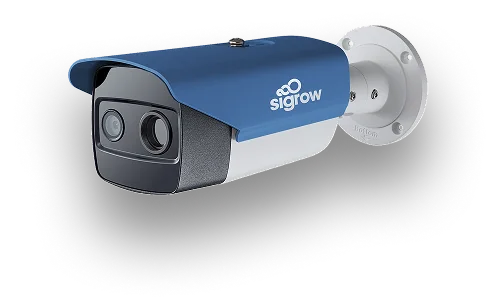
Suboptimal Crop Activity: A Hidden Risk in High-Wire Cultivation
It’s a parameter everyone tracks. But far fewer conversations address the real question: what is the plant actually experiencing when VPD moves outside its optimal range?
During recent Data Discovery sessions with vegetable growers across North America and Europe, one topic consistently resurfaced: vapor pressure difference (VPD).
In high-wire cultivation, where crop load and growth balance are tightly managed, even small deviations in plant activity can translate into yield loss, quality issues, or increased disease pressure.
Why VPD Is More Than a Climate Number
VPD describes the driving force behind transpiration—the difference between the moisture inside the leaf and the surrounding air.
- Higher VPD increases the pull on moisture from the leaf, driving transpiration
- Lower VPD reduces this pull, slowing transpiration
Within limits, this process supports nutrient transport and gas exchange. Outside those limits, the plant starts to protect itself.
Once VPD rises above approximately 1.5 kPa, stomata progressively close to prevent dehydration. When this happens:
- Transpiration becomes restricted
- CO₂ uptake declines
- Photosynthesis drops, even when light levels remain high
For most vegetable crops, the optimal VPD range lies between 0.3 and 1.5 kPa. Operating outside this window leads to suboptimal crop activity—even when the greenhouse “looks fine.
When VPD Is Too Low: Hidden Risks Inside the Plant
Low VPD is often underestimated, especially during cooler seasons. Reduced transpiration directly affects calcium transport, as calcium is immobile and fully dependent on water flow within the plant.
Typical consequences include:
- Blossom end rot
- Tip burn
- Fruit cracking
- Increased susceptibility to Botrytis and internal rot
Night-time conditions amplify the risk. If VPD remains below 0.5 kPa, water accumulates within the plant tissues. This can lead to morning guttation, creating ideal conditions for fungal development and increasing disease pressure early in the day.
When VPD Is Too High: Activity Without Efficiency
High VPD presents a different but equally problematic scenario.
Above 1.5 kPa:
- Stomata partially or fully close
- CO₂ uptake becomes limited
- Photosynthesis shifts from light-limited to CO₂-limited
The crop may appear active—strong transpiration, visible growth—but physiologically it is operating under stress. Energy is consumed without being efficiently converted into biomass or yield.
Seasonal Reality in High-Wire Crops
VPD challenges shift with the season:
- Summer: High VPD driven by radiation and temperature is the dominant concern
- Late autumn, winter, and early spring: Low VPD caused by high humidity becomes the primary limitation
This seasonal dynamic makes rule-based climate control insufficient. What works in July often creates problems in February.
Managing VPD From the Crop’s Perspective
At Sigrow, we focus on crop-centric climate management. Rather than relying solely on air measurements, we measure what the plant itself experiences.
For the current season, the main challenge is raising and stabilizing VPD—but the solution is not simply adjusting temperature setpoints.
The real objective is to prevent unstable microclimates and sudden leaf temperature drops that push VPD outside the optimal range at crop level.
Practical Focus Areas
- Prevent cold air infiltration through screen gaps
- Avoid cold screen surfaces above the crop
- Reduce radiation losses during low-energy periods
- Fine-tune venting strategies to balance humidity and temperature
- Optimize dehumidification without stressing the crop
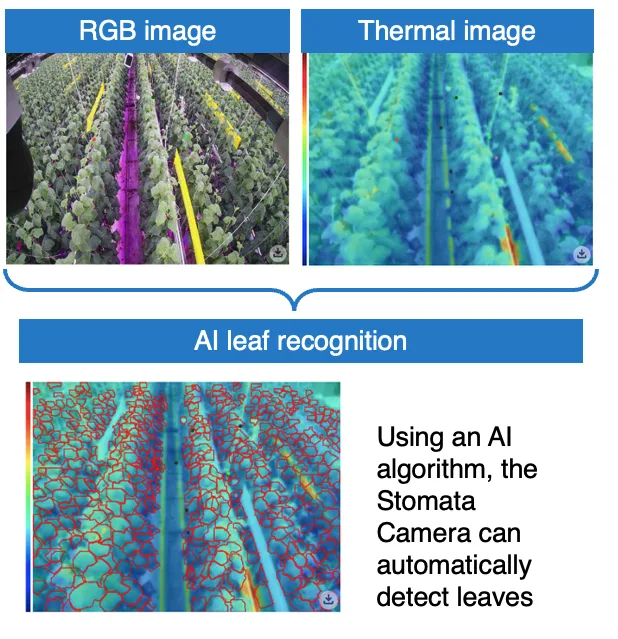
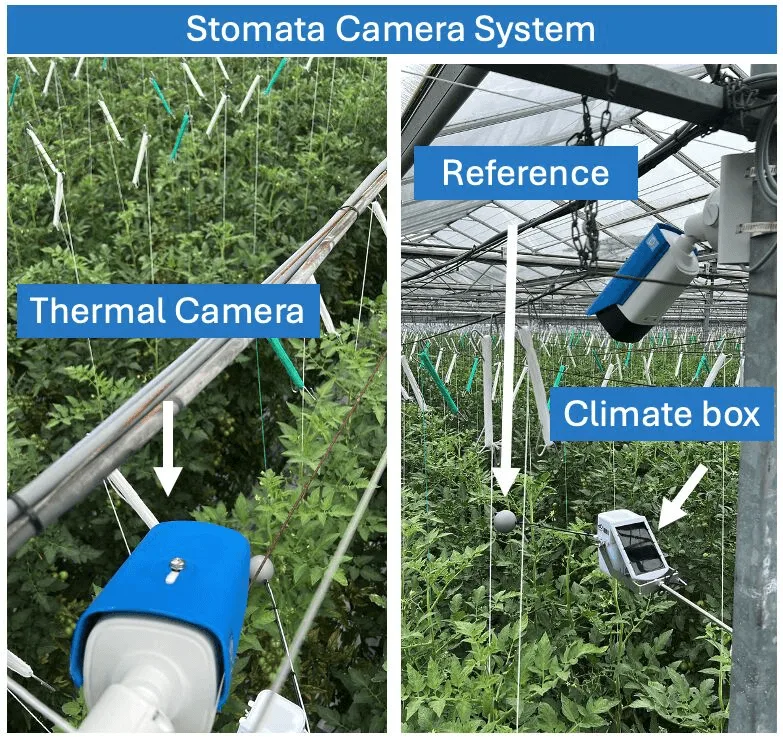
Turning Plant Data Into Actionable Strategy
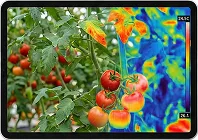
By measuring leaf temperature and crop-level VPD directly, climate decisions can be based on plant reality rather than assumptions.
Using the Sigrow Stomata Camera combined with AI-driven plant segmentation, we work with growers to analyze plant responses, identify risk patterns, and translate data into practical adjustments that stabilize microclimates and improve crop performance.
Let’s Discuss Your VPD Strategy
From 23 February to 6 March, I will be in Ontario, meeting with growers and partners.
If you’d like to discuss your current VPD strategy—or explore how a crop-centric approach can improve crop balance, quality, and consistency—I’d be happy to connect.
Get in touch to schedule a meeting.
Related Blogs

- Greenhouse Technology
By sigrow.comOptimizing Root Zone Conditions for Healthier…
Learn why monitoring the root zone is essential for stronger plants, higher…


No Related Blogs Found
More Than Just Hardware
Our experts are here to help you make smarter growing decisions with confidence.

We’re here to support you.
Questions, assistance, or just want to chat – reach out!